
Brand Design
Competitor analysis in brand design: Learning without copying
Use competitor analysis to inform original brand design through customer alternatives, comparable observations and a clear connection to project decisions.
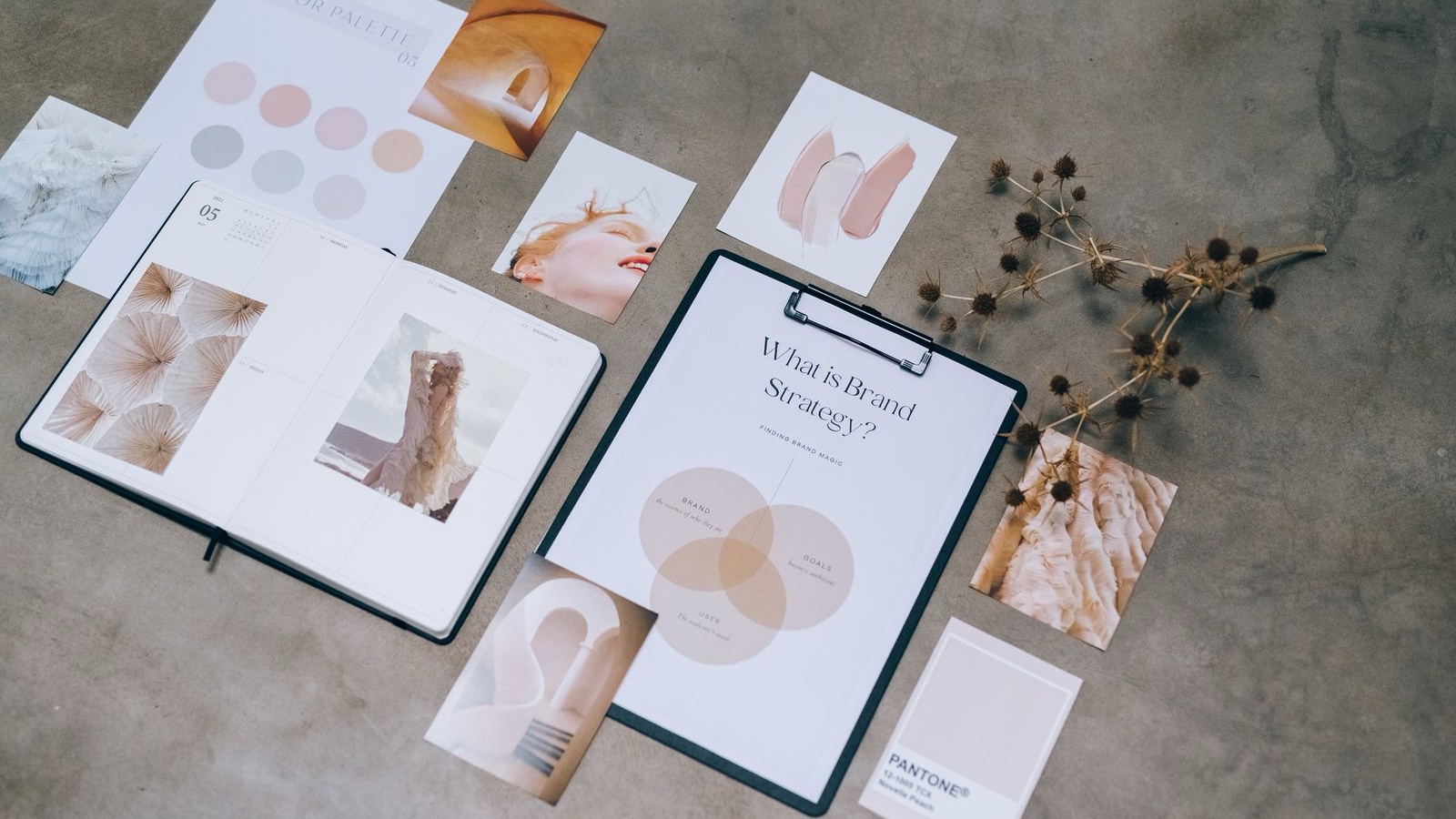
A colour from one competitor, a heading arrangement from another and a symbol from a third are added to the design brief. The collection looks like research but begins to function as a set of parts to assemble. Competitive analysis can do something more useful: reveal familiar customer cues, unanswered questions and places where the business can offer a meaningful choice. Its purpose is to inform a new decision, not reconstruct another identity.
Define the question before expanding the collection. Reviewing the entire market is unnecessary for many projects. Are you informing a new identity, service page, packaging family or positioning decision? A clear question makes evidence more selective. A few comparable findings can guide designers better than a large archive of screenshots with no explanation of their relevance.
Build the list from customer alternatives
The businesses an organisation considers its peers may not cover everything customers consider. A buyer might compare an agency, ready-made software, an internal team and continuing with the existing method. Distinguish similar suppliers from alternative ways to solve the need. Understanding the choice environment is more valuable than placing similar logos side by side.
Imagine a fictional custom software team. Some prospects could use an existing product, while others could improve their current spreadsheets. These alternatives communicate different benefits. A ready-made tool may emphasise quick adoption; custom work may explain process fit. Studying the distinction helps identify what the team's pages need to clarify. Combining the visual styles of all alternatives can instead make the offer less coherent.
Ask the same questions at comparable touchpoints
Comparing one homepage, another advertisement and a third investor presentation can create false contrasts. Select shared surfaces such as service pages, first enquiry steps, product lists or package explanations. Record dates and source locations in the private research file. Separate a temporary campaign from the continuing identity as well.
Use concrete questions: which service is immediately understandable, who is addressed, what evidence appears and what happens next? Visual review can cover colour, typography, spacing, photography and hierarchy. Consistent questions improve the comparison. Recording only the most striking feature of each business produces a collection of impressions without a common basis.
Separate observation from interpretation
Many customer logos on a website are an observation. Strong sales are not established by that observation. Frequent posting shows activity but not its commercial effect. A common research error is treating visible design decisions as evidence of hidden performance. Preserve that distinction in the notes instead of letting an attractive presentation turn assumptions into apparent facts.
A table can separate observation, interpretation and open question. The first records what is present, the second suggests a possible effect and the third identifies what remains unknown. A short form may have fewer steps; whether it generates more suitable enquiries is another question. This structure brings internal discussion back to evidence rather than personal certainty.
Treat category conventions as clues, not instructions
Some sectors repeat particular colours, symbols and layouts. Those cues can help customers recognise a category, but not every common element needs preservation. Which conventions support a task and which have become habitual decoration? Clear document organisation may help a legal-service buyer; every supplier using the same symbol may make distinction harder. Recognition and differentiation need to be considered together.
Removing a useful convention solely to look different can also create friction. Hiding contact information in an unusual location or inventing obscure category names may complicate selection. Difference matters when it contributes to the customer decision. Within brand design, competitor review should help explain which shared language is useful and where a new approach is justified.
Translate visual preference into function
Explain why an example is appealing. Is it the colour, information sequence or clarity of the offer? Without that distinction, the designer receives the surface rather than the reasoning. A page may feel spacious because unnecessary content was removed, not simply because it uses a pale background. Borrowing the colour will not reproduce the same experience.
Write reference notes through effects: makes long services easier to compare, gives progressive access to technical information or makes the first step visible. These descriptions leave room for a new solution. Then discuss how the effect could work with your own material. Research becomes more useful when it identifies a problem to solve instead of prescribing a copied arrangement.
Keep research references separate from production assets
Collected screenshots are not the new brand's working assets. Retain them with their sources in the research area. Photographs, icons and artwork intended for production need appropriate rights considered separately. Public accessibility does not grant permission to turn material into brand property. Making the distinction clear to the team reduces accidental misuse during hurried production.
Look for gaps in messages and evidence
When competitors repeat similar promises, examine which customer question remains unanswered. Broad claims of quality may be common while process, scope and deliverables remain vague. If the business can genuinely provide that information, clearer communication may be useful. The opportunity is to help its customer decide, not to announce that other suppliers are inadequate.
Check whether the gap matters. An omitted topic is not automatically an important market opportunity. Giving prominence to a detail few buyers need can scatter the message. Sales questions and actual use observations help identify the omission that blocks understanding. Competitive analysis complements customer research rather than replacing it with guesses about what people ought to value.
Read a local market through working needs
A business seeking brand design or an advertising agency in Ataşehir may consider suppliers beyond the district. Proximity matters according to meeting, production and relationship requirements. Review service area, communication arrangements and offer clarity. A map of addresses does not explain the whole choice. Investigate the alternatives relevant buyers actually consider.
Imitating local names or filling the language with district references is not a strategy. Explain genuine coverage, access and working arrangements. An example from another city can provide a useful functional idea without proving that its audience behaves identically. Avoid transferring form while leaving its context behind. State why each finding could matter to the business being designed.
Turn findings into a concise brief
The result should contain more than one page per competitor. Summarise what was learned for the project: useful category cues, similarities to avoid, customer questions to answer and approaches to test. Connect each point to evidence. Designers should be able to understand the decision after the research presentation is over.
Keep priorities manageable. Do not select one feature from every example. Choose a few conclusions related to the original problem. Review proposals against those conclusions: is information clearer, is confusing similarity reduced and does the intended impression receive support? Resemblance to a competitor is not the success criterion. The analysis should strengthen the reasons behind your own solution.
Update the comparison when a decision needs it
Market communication changes, so one review cannot describe the future indefinitely. Revisit relevant sections when the product, audience or a meaningful competitor move changes. Daily surveillance is unnecessary for many projects. Record developments that affect the decisions. Adobe's explanation of competitive analysis provides further background; your own file should retain the connection between findings and design choices.
When an update changes the interpretation, keep the earlier reason in the history. A different conclusion may reflect a changed offer or newly available evidence, not an error in the original design. This makes the research a dependable decision record. It also prevents teams from reopening settled questions solely because a new attractive example has appeared in someone's feed.
Frequently asked questions
How many competitors should be reviewed?
Seek enough variety to answer the research question rather than a universal count. Direct suppliers and alternative solutions may both matter. A long list does not guarantee useful insight. Examining comparable examples with sufficient depth can be more valuable than collecting many names superficially without explaining their relevance to the decision.
Can we slightly alter a design we like?
Reconstructing another identity with minor changes is not an original design approach and can raise rights issues. Describe the useful function behind the preference, then develop a solution for your content and positioning. An example being accessible online does not make it a freely usable production asset.
Does an attractive website prove a competitor is successful?
It supports an assessment of presentation, not a conclusion about sales or satisfaction. Separate visible evidence from performance claims. Examine which task the application appears to support and test a relevant approach with your audience. Inferring commercial success from appearance can make the research misleading.
Can references come from another sector?
Yes. Information structure and interaction logic can provide useful ideas. The audience and decision conditions may nevertheless differ. Explain which effect could be suitable before transferring any form. Evaluate the functional contribution within your own context rather than assuming that an admired example will work unchanged.
What should the designer receive after analysis?
A concise findings summary, comparable examples and project decisions are useful. Identify conventions to retain, confusing similarities to avoid and questions to answer. A screenshot archive alone transfers most of the interpretation burden to the designer. Make clear how the research changes or supports the brief.