
Web Design and Development
Local SEO and Websites: Presenting Ataşehir Business Information Accurately
Plan accurate Ataşehir local SEO information across your website and business profile. Align location, service area, contact journeys and ongoing updates.
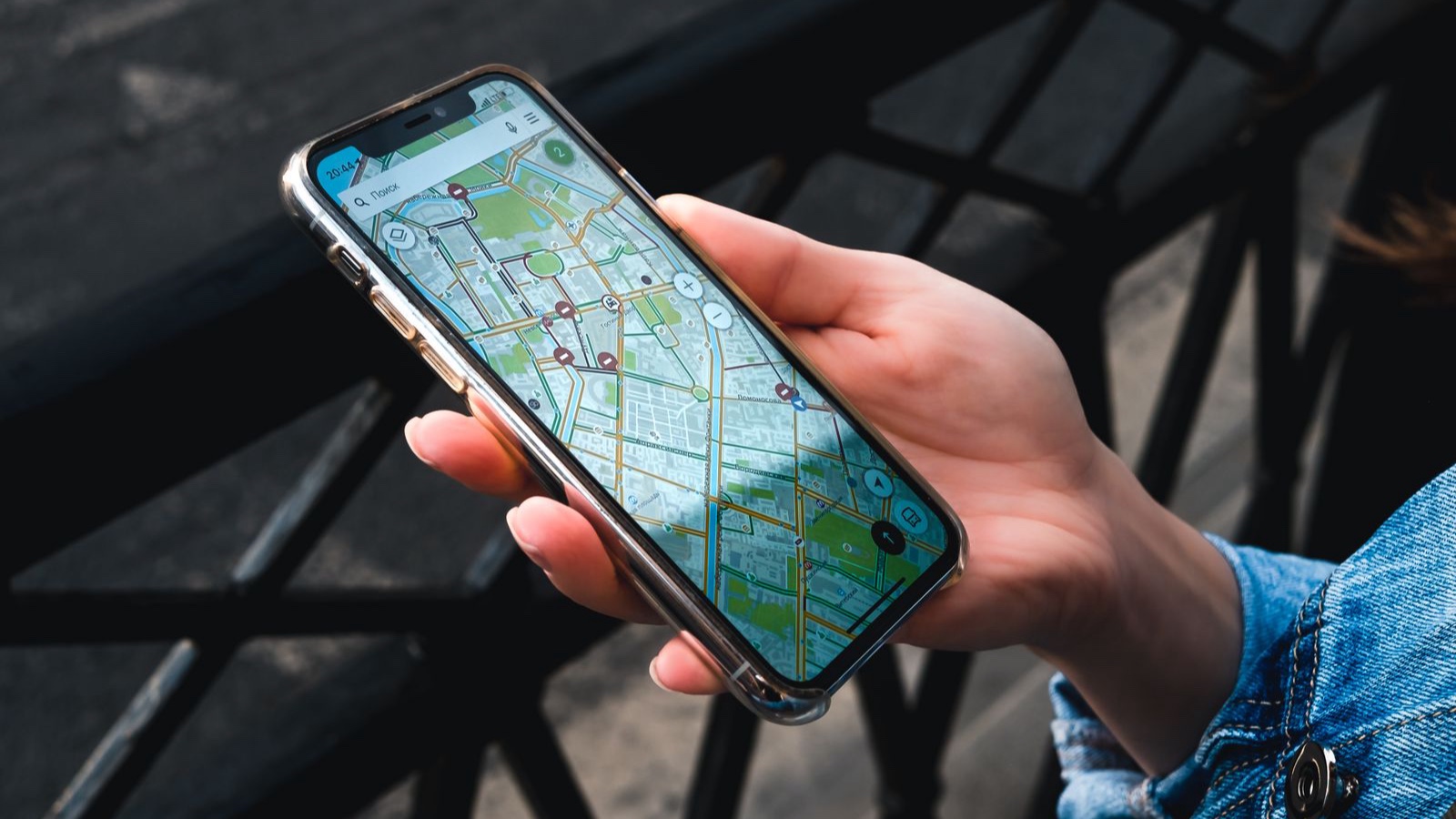
Someone searching for a business in Ataşehir finds one address on its website, different opening information on the map and an unused telephone number on the contact page. The website has been found, but arranging a conversation is still difficult. Local SEO begins with coherent business information rather than simply inserting a district name into headings. Visitors need to understand where and how services are provided and which contact route actually works.
For businesses seeking relevant Ataşehir web-design or digital-service enquiries, location provides context for the service explanation. Repetition without a genuine operating relationship adds little practical help. This guide describes a manageable way to coordinate local information across the website, business profile and maintenance process. A hypothetical business is used to illustrate the working decisions.
Separate a physical location from a service area
Having an office and serving customers in a district are different arrangements. A remote team working with Ataşehir clients should not imply that people can visit premises there. A business accepting visitors should describe the actual address and appointment conditions. Explain the service relationship accurately before selecting the public wording.
Google’s business-representation guidelines address real locations and appropriate service areas. Eligibility and address visibility need review against the actual operation. Inventing an office or an inactive branch is not a sound information strategy. Document how customers are served and make the website reflect that reality. Technical markup cannot create a physical presence that does not exist.
Create one approved business-information record
Keep the business name, telephone, address, email, operating hours and appointment arrangements in an approved record. Assign ownership and a review date. Designers, editors and profile managers can then work from the same facts. The objective is consistent meaning, not artificially identical sentences regardless of context.
Necessary address details should help an actual visitor. Check the relationship between written address and map position, and try the telephone number. If walk-in visits are not supported, opening hours alone may leave the wrong expectation. Small operational details answer concrete local needs. A defined information record also makes it easier to identify which public fields need attention when something changes.
Write the contact page around arrival and preparation
A contact page can explain access, appointments and communication options where physical meetings occur. If the business travels to customers, describe that arrangement instead. Remote meeting options can coexist with local information without suggesting a different physical model. The page should help people choose an appropriate next step.
Solve the actual arrival problem
Suppose the example business has an entrance on a side street rather than the main road. A short explanation or appropriate location link can help. Listing every nearby landmark may add little. Select the detail that helps someone reach the entrance, book an appointment or use the correct channel instead of lengthening the copy with place names. Assign an owner who can keep that detail accurate.
Give a local service page its own useful purpose
Before creating an Ataşehir-specific page, identify what readers will learn beyond the general service explanation. Genuine meeting arrangements, relevant scope and preparation can contribute useful information. Changing only the district name weakens the reason for another destination. The page needs an independent editorial job.
“Ataşehir web design” can appear naturally when it describes the real service relationship. Adding it to every heading does not improve the explanation. Content preparation, project decisions and material needed for an initial conversation may be more useful subjects. A web design and development service page can explain technical scope while local content explains working arrangements. Their roles should complement rather than duplicate one another.
Distinguish the business profile from the website
A profile contributes to map and local discovery experiences. The website can provide deeper scope information and an enquiry journey. Completing one does not automatically correct the other. A valid profile number cannot repair a broken website form, and an informative service page cannot correct inaccurate opening hours elsewhere.
Keep profile control with the appropriate business owner and establish who makes updates. During a redesign, inspect whether profile links reach suitable current addresses. Do not assume the homepage is always the only relevant destination; assess the profile’s actual scope and the target page together. Both public areas should describe the same organisation and operating arrangements even though their formats differ.
Do not reduce local ranking to one setting
Google’s local-ranking explanation discusses relevance, distance and prominence. Completing one field therefore cannot establish an identical outcome for every searcher. Location and query context also matter. A view on one phone should not be presented as a fixed market-wide ranking.
Work on accurate information, useful service explanations and functioning contact routes. A permanent first-position promise for a chosen term is not justified. Assess more than a ranking screenshot: the right visitor finding the right information and making an appropriate enquiry also matters. When reporting observations, state the query, location and period so that results have an understandable context rather than appearing universal.
Keep structured information consistent with visible content
Technical implementation can communicate business details through structured data. It should not introduce information absent from the actual business or contradict the public page. Use the approved record for address, telephone and hours. Where branches exist, assess their real relationships; every area served is not automatically another branch.
Google’s local-business data guidance provides an official implementation reference. Suitable markup does not guarantee a particular presentation. Test which fields are generated and how updates reach them. Correcting contact copy while leaving older technical data behind creates inconsistency. Content accuracy and technical verification therefore belong in the same publication review.
Distinguish genuine local imagery from representation
Approved photographs of a real entrance, team or workspace can help visitors recognise the setting and understand the business. Stock photography should not be described as an actual Ataşehir office. Alternative text, titles and surrounding copy need to preserve the same accurate relationship.
Using one generic city view across every local page can also weaken relevance. An appropriate real screen or representative working photograph may explain the service more directly. Ask which question the image answers. Arrival information and project scope require different visual evidence. Keeping that distinction in editorial preparation makes local context useful rather than treating geography as a decorative label added to unrelated material.
Use feedback and references in their real context
Customer feedback can help explain how the organisation works when it reflects genuine experience and is used appropriately. Do not invent reviews or present a comment about one engagement as evidence of a different service. Any reference displayed on the website should have an understandable scope.
Feedback also provides material for improvement. Difficulty arranging appointments or understanding the service can point to a content problem. One person’s outcome does not establish a guarantee for everybody. Assign responsibility for review and response. Sustainable local trust depends on accurate explanations and dependable communication as well as the material selected for promotion.
Try a local enquiry from start to finish
Imagine a visitor arriving on a phone after looking for a relevant service. Can they understand the offer, find meeting arrangements and initiate contact? Does the map link open the correct place? Does the telephone control use the right number? If an appointment is required, do the questions support that purpose? Test those activities on a real device.
A desktop review of the contact page can hide problems. Persistent navigation may obscure a number, or a map area may become difficult to use on a small screen. Where an option opens another application, consider the transition and return. Including these checks in a local business website plan covers the important stage after discovery: being able to connect with the business that was found.
Track changes through a shared update list
Relocation, a new telephone number or revised hours can affect several public records. List the website, profile and other maintained channels, with an owner and completion state for each update. This reduces the chance that information changes in one place while an older version remains elsewhere.
Temporary arrangements need attention too. A short announcement may not replace contradictory permanent contact wording. Visitors should not have to decide which explanation to trust. Record review dates and inspect related fields together. Freshness comes from keeping actual working information correct rather than simply changing a date at the top of the page.
Review success through concrete customer questions
Return to the essential needs after updating the information. Where and how is the service provided? What are the conditions for a physical meeting? Which communication route should be used? Consistent answers represent a useful practical improvement. Traffic and enquiry quality can be assessed together where suitable evidence is available.
Advertising, service scope and demand may change during the same period. Do not attribute every outcome to one information update without adequate evidence. A recorded baseline, documented changes and real feedback support a more grounded assessment. Ataşehir information adds value when it helps explain the genuine service relationship. When reduced to repetitive wording, it contributes less to the decision. Maintain the content against that practical standard.
Frequently asked questions
Can we imply an Ataşehir office because we serve clients there?
No. A service area and a physical location are different facts. Explain the actual arrangement. If visitors cannot attend premises, do not create that expectation. Relevant profile eligibility and address-display conditions should also be assessed against the real operation.
Does every district need a separate page?
Only consider one where it can provide distinct useful information. Replacing a district name across otherwise identical copy does not create a new explanation. General service scope and local working arrangements can have different roles without multiplying repetitive destinations.
Can a business profile replace the website?
They support different needs. The profile contributes to local discovery while the site can explain detailed scope and enquiries. Keep their facts consistent and test the combined journey. Correct information in one area does not automatically repair an obstacle in the other.
Will local structured data deliver first position?
No. Accurate technical information does not guarantee a ranking or particular appearance. Markup should match visible content and the real business. Putting an incorrect claim into a technical format does not make it valid or create an operating location.
Which visuals belong on a local page?
Choose material that answers the page’s questions. An authorised real office photograph can identify the actual place. A representative image can explain an activity, but should not be presented as local premises or a completed client engagement when that is not what it shows.
When should local information be reviewed?
Review connected records when location, contact or working arrangements change. A responsible person can also perform periodic checks. One approved information record and an update list make ongoing consistency easier than relying on several people to remember every place a detail appears.